
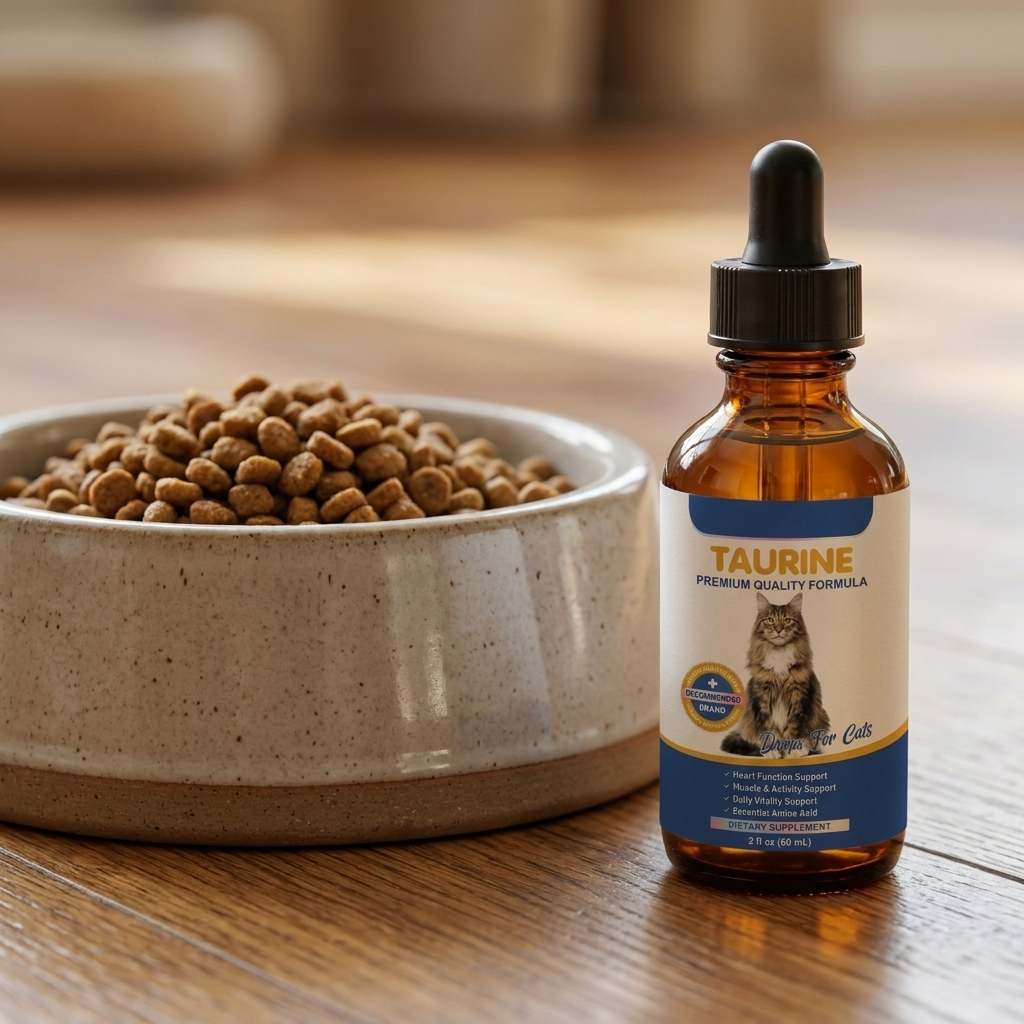
A simple daily drop to help nourish your cat’s heart, eyes, and healthy ageing.
💧 Easy Daily Drops Cats Won’t Notice
❤️ Promotes Normal Heart Health
👁️ Helps Maintain Normal Vision
🐈 Made For Everyday Vitality & Wellness
Couldn't load pickup availability
Benefits of Taurine
Taurine is one of the most essential nutrients in feline health. Cats rely on it every day to help maintain normal heart function, healthy vision, and overall wellbeing.
Because their bodies cannot make enough taurine on their own, it must come from what they eat. PureWild makes it easy to add this important nutrient fresh to their bowl each day as part of a simple daily routine.
Directions For Use
Add PureWild Taurine Drops to your cat’s food once daily using the guide below:
Small Cat — 2–4 lbs / 1–2 kg:
Mix 0.5 mL into food daily. This is around half a dropper.
Average Cat — 4–11 lbs / 2–5 kg:
Mix 1 mL into food daily. This is around 1 full dropper.
Large Cat — 11+ lbs / 5+ kg:
Mix 1.5 mL into food daily. This is around 1.5 droppers.
For best results, drop onto wet food, dry food, or water once daily before serving.
Tasteless and odorless. Consult your veterinarian if your cat has existing medical conditions.
Due to the large number of orders we're experiencing, our delivery time is currently:
If you are unhappy with your purchase for any reason, simply contact us within 30 days of receiving your product.
We will process your request quickly and easily, be it through exchange, return or refund - entirely according to your wishes.
More FAQs below ✨
View full details



★★★★★
As my cat’s gotten older, I’ve become much more conscious of supporting her properly. I liked that taurine is tied to heart and vision health, and PureWild made it feel effortless to add that extra reassurance every day.

★★★★★
I was worried she’d refuse her bowl the second I added a supplement, but she genuinely hasn’t noticed. The drop takes 2 seconds into her food and there’s no struggle at mealtimes. So easy to keep consistent with.

★★★★★
I’ve always bought good food for my cat, but I still wanted a simple way to give her a little extra daily support. This mixes straight into her wet food, she eats it as normal, and I feel much better knowing taurine is now part of her routine.

Cats rely on taurine every day to support normal heart function, vision, and overall wellbeing.
Because their bodies can’t make enough on their own, it has to come from what they eat.


When you’re relying on cat food alone, it’s not always easy to feel fully confident they’re getting the daily support.
Taurine in cat food can be affected by: heat degradation, oxidation in storage and absorption blockers which is why many cat parents choose to supplement this essential nutrient.


PureWild makes daily taurine simple. Just add the drops to your cat’s bowl once a day to help support normal heart health, healthy vision, and everyday vitality — without changing their routine.
Yes. Taurine is an essential amino acid that cats cannot produce on their own — it must come entirely from their diet. It plays a critical role in heart muscle function, vision, digestion, immune response, and healthy development in kittens. Supplementation is well established in veterinary nutrition and is used both preventatively and as part of treatment for conditions like dilated cardiomyopathy and retinal degeneration. Most cat owners notice subtle improvements in energy, coat condition, and alertness within 2–4 weeks of consistent daily use.
"Complete and balanced" means the food meets minimum regulatory requirements — not optimal levels. The bigger issue is that taurine is fragile. Heat, grinding, and long-term storage during manufacturing can destroy a significant portion of the taurine present in the original ingredients. By the time the food reaches your cat's bowl, the taurine content may be considerably lower than the label suggests. PureWild Taurine Drops fills that gap with a direct, unprocessed dose — so you're not relying on what survived the production line.
Yes, daily use is safe, and overdosing is not a concern. Taurine is water-soluble, meaning any amount your cat doesn't need is simply excreted in urine rather than building up in the body. Unlike fat-soluble vitamins such as A and D, it carries no risk of toxicity with regular use. There are no reported problems associated with excess dietary taurine in cats.
PureWild Taurine Drops are tasteless and odorless, making them easy to add to your cat’s daily routine. Simply mix the recommended amount into wet food, dry food, or water once daily. Most cats won’t notice it at all.
Once daily is all that’s needed. Use the dropper to measure the right amount based on your cat’s body weight — the daily dosing guide is printed on the packaging and shown above. Simply drop onto food or water before serving.
Possibly, yes. Raw meat does naturally contain taurine, but the levels vary significantly depending on the cut. Muscle meat — particularly chicken and turkey — is relatively low in taurine compared to organ meats like heart and liver. Taurine also degrades when meat is frozen, minced, or stored. Unless your cat's diet is built specifically around taurine-rich organs and freshness is carefully maintained, supplementation acts as a reliable daily safety net.
It becomes increasingly important. Senior cats often eat less overall, meaning their total nutrient intake — including taurine — may decline. They're also more likely to be on prescription or specialist diets, some of which may have lower taurine concentrations. Heart health becomes a greater concern with age, and taurine is one of the nutrients most directly linked to cardiac muscle function. Daily supplementation is a simple, low-effort way to support their heart and maintain vitality as they get older.
Taurine deficiency is directly linked to dilated cardiomyopathy (DCM) in cats. When caught early enough, taurine supplementation can support recovery and slow progression. If your cat has been diagnosed with any cardiac condition, please speak with your vet before starting any supplement — but taurine is commonly recommended as part of veterinary treatment for taurine-related heart disease. PureWild Taurine is not a medication and is not intended to replace veterinary care.
Generally, taurine is safe from weaning onwards, though dosing for kittens will differ from adults. If in doubt, consult your vet before supplementing very young kittens.
That's exactly when it matters most. Taurine deficiency develops silently — it can take months before any outward signs appear, and by the time symptoms like lethargy, vision changes, or heart irregularities are visible, some damage has already occurred. Supplementing a healthy cat is far simpler and less costly than managing the consequences of long-term deficiency. Think of it as nutritional insurance: inexpensive, effortless, and irreversible in its benefits.
Every cat is different. PureWild Taurine Drops is designed to support your cat's daily nutritional intake, helping to fill the taurine gap that modern food processing can leave behind, which may help support heart function, healthy vision, and overall vitality over time.
This product is not intended to diagnose, treat, cure, or prevent any disease and is not a substitute for professional veterinary care. Results may vary depending on your cat's age, diet, and individual health status.


